
Is Vehicle Tracking Worth It for a Five-Van Business? Running the Numbers
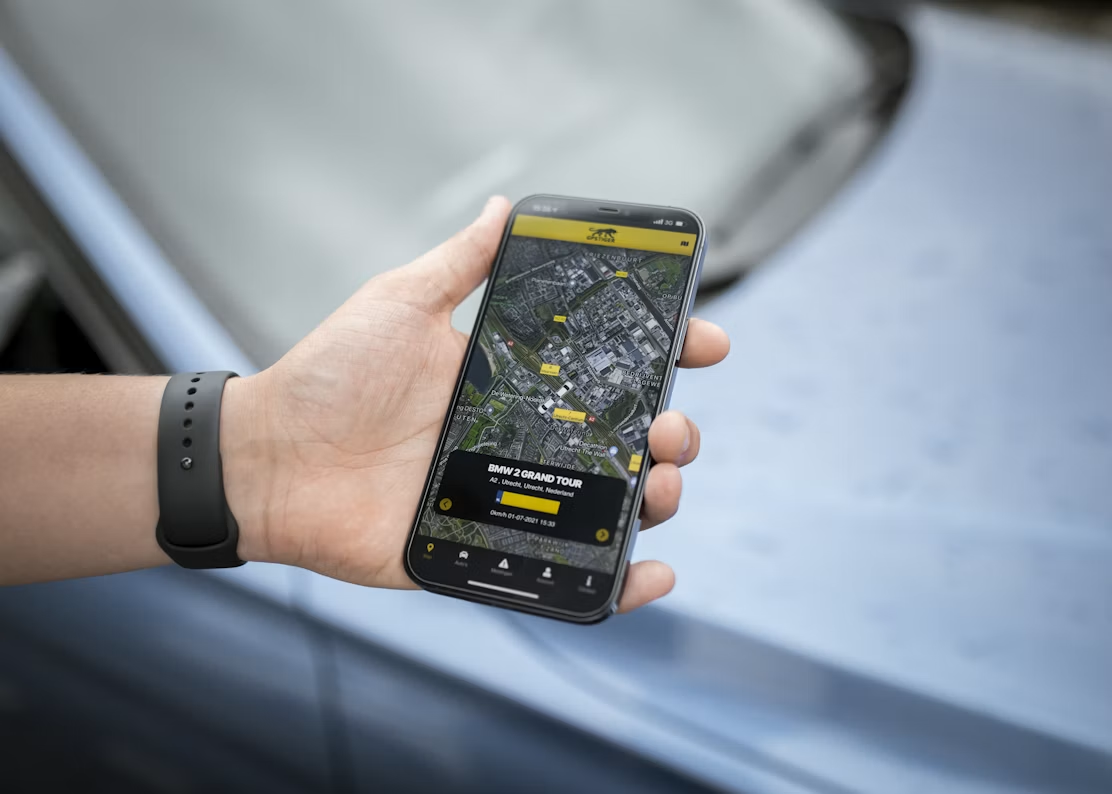
The owner of a plumbing or electrical company with five vans usually hears about vehicle tracking from a sales call or from another business owner. What matters is whether the monthly bill pays for itself in this particular business, and the figures needed to check it already sit in fuel card statements, timesheets and the job calendar.
What vehicle tracking costs a five-van business
The cost side is the easy half of the calculation. It usually includes a device or installation fee for each van, a monthly subscription per vehicle and the time someone in the office spends reading reports and acting on them. Quotes from two or three providers give the first two figures, and the third is worth estimating honestly, because a report nobody opens produces no return.
Multiplying the monthly total by five vans and twelve months gives the annual bar. Every gain counted in the next step has to clear that bar with the company’s own numbers.
Where a small fleet can find the money
A tracking system records where each van goes, how long it stays and how long the engine runs while it stands still. For a five-van business, those records usually point to four places to look:
- Idle fuel. An engine running in a parked van can use a quarter to a half gallon of fuel per hour, depending on engine size and air conditioner use. Five vans idling 30 minutes a day over 250 working days burn roughly 156 to 313 gallons a year at that rate.
- Unplanned miles. Comparing miles driven with the miles the scheduled jobs required shows backtracking and extra trips to the supply house.
- Billing accuracy. Arrival and departure records help match invoices for hourly work to the time crews actually spent on site.
- Dispatch. Knowing which van is closest to an urgent call can make room for an extra job in a busy week.
Each line can be priced with company data. Idle gallons are multiplied by the current fuel price, which is published weekly for gasoline and diesel, and extra miles by the fuel cost per mile from the card statements. Keeping every estimate cautious makes the comparison with the annual bar more reliable.
How to test vehicle tracking before committing
A short trial gives better evidence than any estimate. The owner records one month of baseline figures without tracking: fuel spend, total miles, billed hours and jobs completed. The same figures are then compared for two or three months with tracking in place, using the reports to adjust routes, idle habits and dispatch along the way.
Businesses looking to improve visibility across their mobile operations can use Radius vehicle tracking to access vehicle location and journey information that supports more informed fleet management decisions. The trial also works better when crews know from the start what the system records and why: route planning, fuel use, customer arrival times and road safety.
At the end of the trial, the owner has two sets of real figures for the same vans and the same customers. If the difference covers the annual bar, the decision is straightforward; if it falls short, the company has still learned where its fuel and hours go.